
"Cameroon coffee grade"
80 article(s) found
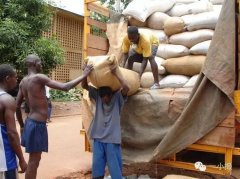
Java in Cameroon introduces the shape of coffee beans.
Abstract: Cameroon has the characteristics of soil quality, climate and topography, which is suitable for the growth of many kinds of crops. The main crops are coffee, cocoa, cotton and other cash crops and millet, sorghum, corn and other food crops. Cameroon is rich in Rob Coffee Raw beans. Cameroon has the characteristics of soil quality, climate and topography, which is suitable for the growth of many kinds of crops. The main crop is coffee.

Introduction to West Africa-West Cameroon Plateau producing area of java long Bean
Abstract: Cameroon has the characteristics of soil quality, climate and topography, which is suitable for the growth of many kinds of crops. The main crops are coffee, cocoa, cotton and other cash crops and millet, sorghum, corn and other food crops. Cameroon is rich in Rob Coffee Raw beans. Cameroon has the characteristics of soil quality, climate and topography, which is suitable for the growth of many kinds of crops. The main crop is coffee.

How about Cameroon Coffee? Cameroon Java long beans
Professional coffee knowledge exchange more coffee bean information please pay attention to the coffee workshop (Wechat official account cafe_style) Cameroon has the soil, climate, topography and other characteristics, suitable for the growth of a variety of crops. The main crops are coffee, cocoa, cotton and other cash crops and millet, sorghum, corn and other food crops. Cameroon is rich in Rob Coffee Raw beans. A rich volcano
Cameroon coffee
Cameroon has the characteristics of soil quality, climate and topography, which is suitable for the growth of many kinds of crops. The main crops are coffee, cocoa, cotton and other cash crops and millet, sorghum, corn and other food crops. Cameroon is rich in Rob Coffee Raw beans. Rich volcanic soil, high altitude, moderate rainfall-all of which make Cameroon an ideal place to grow good coffee

Cameroon Java long beans West Africa-Cameroon Western Plateau origin Cameroon fine coffee
Fine coffee is fresh coffee. Whether it's food or drink, the fresher the better, and so is specialty coffee. Coffee beans should be kept fresh before making fine coffee, including the preservation of roasted beans, and the coffee beans should be ground before making, which is also to retain its most original and best flavor. And hand brewed coffee making is such a way to make fine coffee

Cameroon boutique coffee cooperative introduction: Boyo cooperative PB round beans
Professional coffee knowledge exchange more coffee bean information please follow the coffee workshop (Wechat official account cafe_style) is suitable for espresso deep-roasted coffee beans. The cultivation of Arabica coffee trees in Cameroon (Cameroon) began in 1913 as the Blue Mountain Coffee from Jamaica, but the country also produces large quantities of Robbins coffee. The quality, characteristics and production of Cameroon Coffee

Coffee in Cameroon is grown in a rich volcanic soil, high altitude, and appropriate rainfall.
Professional coffee knowledge exchange more coffee bean information please follow the coffee workshop (Wechat official account cafe_style) Cameroon is suitable for espresso deep-roasted coffee beans. The cultivation of Arabica coffee trees in Cameroon, which began in 1913, is the Blue Mountain coffee of Jamaica, but the country also produces large quantities of Robbite coffee. The quality of Cameroon coffee

The OLAM project in Ogu, Cameroon introduces Kemelon's unique description of washed coffee in volcanic lakes.
For professional baristas, please follow the Coffee Workshop (Wechat official account cafe_style). This fully washed coffee comes from Oku, Cameroon. Standing on the valley is Mount Oku Mount, which covers an area of 3011 acres, the second highest peak in West Africa. Oku is a subdivision of the Bui subzone in northwest Cameroon. Coffee grows between 1800 and 2200, in orange and fragrant

Is South African Coffee delicious? which brand of South African Coffee beans is good _ IBM South African Coffee Bean Advertising
Professional coffee knowledge exchange more coffee bean information please follow the coffee workshop (Wechat official account cafe_style) Cameroon coffee is a freak in the boutique coffee market, first of all, it is coffee from West Africa, unlike beans produced by other well-known East African countries such as Kenya, Ethiopia, Tanzania and Rwanda, Cameroon coffee is traditionally Robes.

Introduction of Burundian Coffee varieties treated by Grinding Calibration method for description of altitude Flavor
Burundian boutique coffee bean flavor characteristics Arabica coffee tree was planted in Cameroon in 1913, its variety is Jamaica's Blue Mountain coffee, but the country also produces a large number of Robbins coffee. The quality and characteristics of Cameroon coffee is similar to that of coffee from South America. The best coffee in the country comes from Bamileke and Bamoun in the northwest.

Arabica coffee bean flavor taste manor production area introduces Burundian boutique coffee beans
The cultivation of Arabica coffee trees in Cameroon (Cameroon) began in 1913 as the Blue Mountain Coffee from Jamaica, but the country also produces large quantities of Robbins coffee. The quality and characteristics of Cameroon coffee is similar to that of coffee from South America. The best coffee in the country comes from Bamileke and Bamoun in the northwest. Here, it also grows some giant coffees.

Fruit-flavored Burundian coffee beans taste manor characteristics of Burundian coffee
The chaos of Burundian coffee has been going on for a long time, with a large number of old and new raw beans mixed together, making this coffee unsuitable for grading. This coffee is rough but mild, and has characteristics similar to Kenyan coffee. The flavor is sweet and fruity, with a slightly spicy finish. Dry aroma (1-5): not suitable for wet aroma (1-5): not suitable for acid

Introduction of Burundian Coffee Flavor description Variety characteristics treatment method for producing High-quality Coffee beans
Burundian coffee flavor Burundian coffee has been in chaos for a long time, with a large number of mixed raw beans, making this coffee unsuitable for grading. This coffee is rough but mild, and has characteristics similar to Kenyan coffee. The flavor is sweet, fruity, with a slightly spicy aftertaste and traceability in coffee growers and raw bean buyers.

Introduction of Variety treatment method for Coffee Flavor description and Grinding degree of Lemon Manor in Nicaragua
Nicaraguan coffee [original name]: Cameroon UCCAO Caplami Java [variety]: Java Java Arabica species [growth altitude]: 5000 ft [raw bean treatment]: semi-washed Semi-Washed Process [origin]: West Africa-western Cameroon plateau [producing areas / estates / cooperatives]: UCCAO Caplami Cooperative [label]

Coffee producing countries introduce high-quality coffee beans
Bolivian coffee variety: Arabian coffee production: 150.000 bags with snow-capped mountain terrain, vast plateau and tropical rain forest, Bolivia has ideal coffee production conditions. More than 90 per cent of the coffee produced in Bolivia is produced in high-temperature and humid climates, with elevations of 500 to 1600 metres above sea level in the tropics of La Paz. Another very important production area
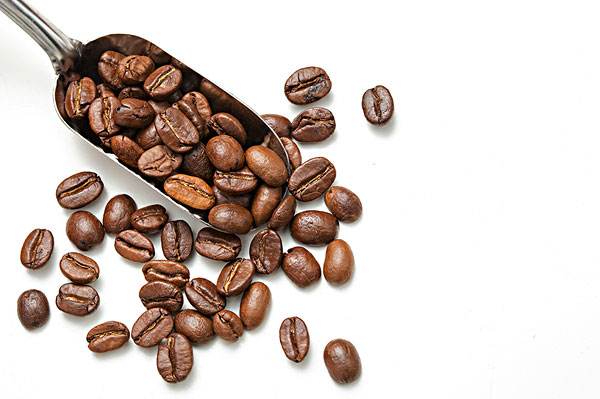
What are the ypica cultivars of Iron pickup?
Following caf é (Wechat official account vdailycom) found that ypica Cafe opened a small shop of its own. Java Java, a cultivated variety with long fruits and bronzed young leaves, is believed to be a descendant of coffee introduced to Java from Yemen. The variety was first brought from Java to neighboring islands (Timor) and then to East Africa (Cameroon) and was planted in 1980. By CIRAD

A brief introduction to the cultivation of fine coffee beans in Burundi with mellow taste, geographical location, climate and altitude
There are many variables that affect the quality of the final beans. For example, each mountain has a different microclimate, which in turn affects the growth, picking and handling of coffee fruits, and varies from day to day. Nathan James Johnston, the boss of Cartel Coffee Roasters in Australia, said: working with Long Miles, we can make it clear
Introduction of Coffee from 53 Coffee producing areas in the World (3)
twenty-one. Venezuela oil was once considered the main export of Venezuela (Venezuela). Although coffee trees were introduced from Martinique in 1730 and Venezuela, coffee production was almost abandoned at the height of the oil industry. Recently, coffee plantations have begun to recover, with original Tipica and bourbon coffee trees and new plantations

Do you know the types and distribution of coffee beans? what are the kinds of sour coffee beans?
Professional coffee knowledge exchange more coffee bean information please follow the coffee workshop (Wechat official account cafe_style) caffeine is native to Africa and has many varieties. Each variety is related to specific climatic conditions and a certain altitude. The wild coffee tree is an evergreen shrub, 3 to 3.5 meters high, with small white flowers on its branches and a jasmine fragrance. The fruit is 1.5 to 1.8 cm long.

Boutique Coffee introduction of 53 Coffee producing areas in the World 4
twenty-three. Angola, once a big coffee producer, exported 3.5 million bags of coffee a year in the mid-1970s, 98 per cent of which was Roberts (probably the best in Africa), but total production fell to 200000 bags in 1990. The best brands in Angola used to be Ambriz and Amborm.